Coating cost modelling
Build a transparent CAPEX/OPEX baseline for your coating line. Separate equipment depreciation, energy use and consumables so every expense is traceable.
Direct benefit: accurate per-unit cost figures for tenders and budgetsBuild a transparent CAPEX/OPEX baseline for your coating line. Separate equipment depreciation, energy use and consumables so every expense is traceable.
Direct benefit: accurate per-unit cost figures for tenders and budgetsLearn what inspectors actually check in coating facilities: VOC emissions, waste handling, PPE protocols and emergency response documentation.
Direct benefit: fewer audit findings and reduced downtimeStep-by-step implementation of an environmental management system: gap analysis, process mapping, staff training and internal audits.
Direct benefit: certification without disrupting productionReview maintenance schedules, spare part consumption and energy efficiency to identify hidden OPEX leaks across your coating equipment.
Direct benefit: measurable reduction in operational spendEngineers and plant managers share how the intensives changed their approach to cost control and HSE audits.
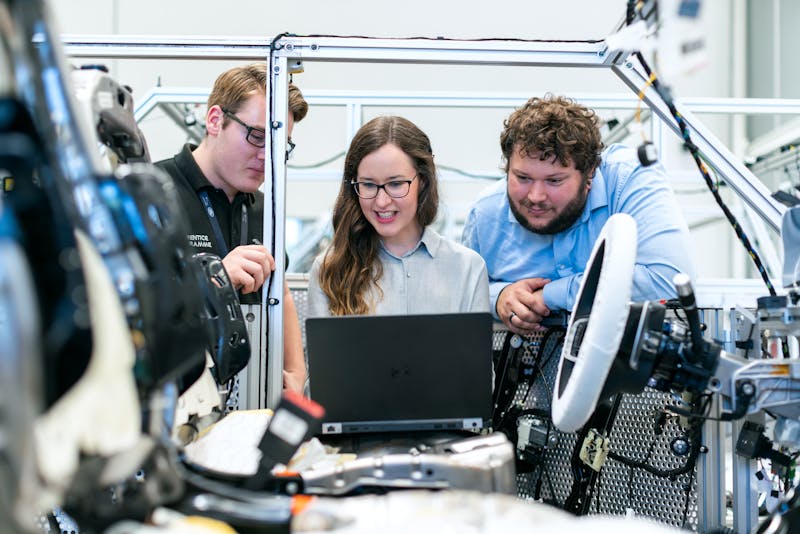
After the CAPEX/OPEX intensive, we rebuilt our cost model for the powder line. The depreciation allocation alone changed our monthly reporting by 11%.
Production Controller, metal finishing plantThe HSE audit checklist matched what the regional inspector actually checked. We passed without a single corrective order for the first time in three years.
HSE Manager, automotive components supplierISO 14001 gap analysis from the course saved us roughly two months of preparation. The internal audit templates were directly usable.
Quality Director, coating services divisionThe OPEX reduction framework helped us identify compressed air leaks that were costing more than the entire training fee. Simple math, clear result.
Maintenance Lead, industrial finishing shopWe define coating line costs as the sum of equipment depreciation, energy consumption, consumables, labour, and waste treatment. Indirect expenses such as administrative overhead are excluded unless explicitly stated in the course syllabus.
Capital expenditure covers assets with a useful life exceeding one year: ovens, spray booths, curing tunnels, and conveyor systems. Operating expenditure includes utilities, filters, paint, solvents, and routine maintenance. Our training uses a fixed allocation matrix to avoid double counting.
Environmental and safety audits in our programmes cover VOC emission limits, wastewater discharge parameters, hazardous waste classification, and worker exposure thresholds. We do not cover legal liability or insurance claims, which require separate counsel.
Training focuses on ISO 14001 (environmental management) and ISO 45001 (occupational health and safety). ISO 9001 is referenced only where it intersects with compliance documentation. Certification audits are conducted by accredited bodies, not by Ecoating Technology.
Optimisation recommendations target measurable reductions in energy use, material waste, and downtime. We do not suggest changes that compromise coating quality, substrate adhesion, or safety margins. Every proposal includes a risk assessment table.
Case studies use anonymised plant data unless a client provides written consent for disclosure. Financial figures in course materials are illustrative baselines, not quotations for specific equipment or services. Contact us for a tailored assessment.
These clarifications apply to all course materials, audit templates, and cost models distributed by Ecoating Technology. If a specific scenario falls outside these definitions, our engineers will confirm the applicable boundary before proceeding.